Low-Maintenance Garden Plan with Japanese Maple and Hydrangea

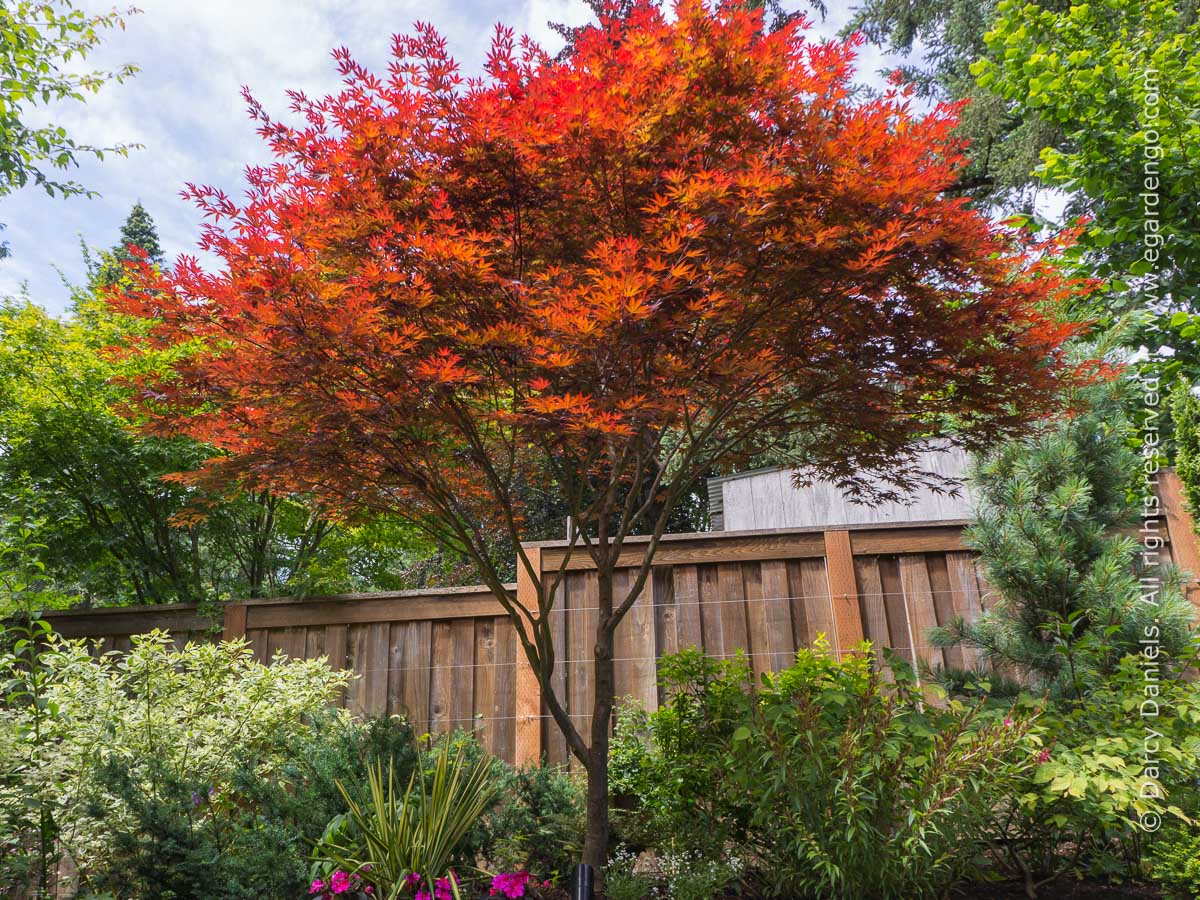
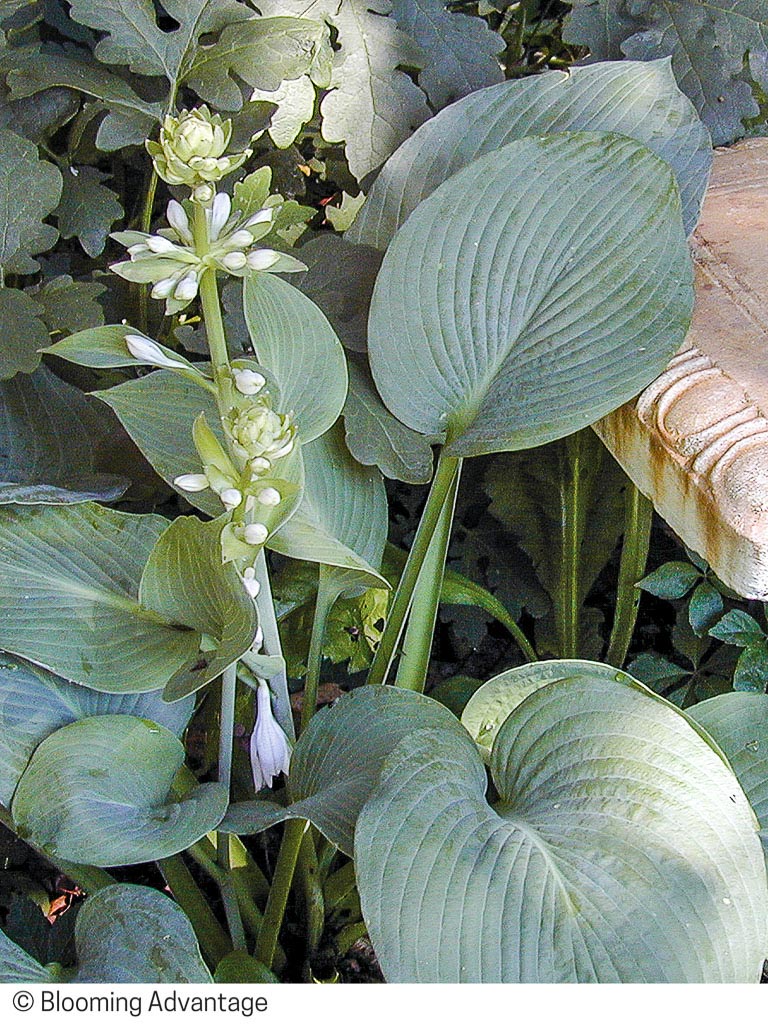
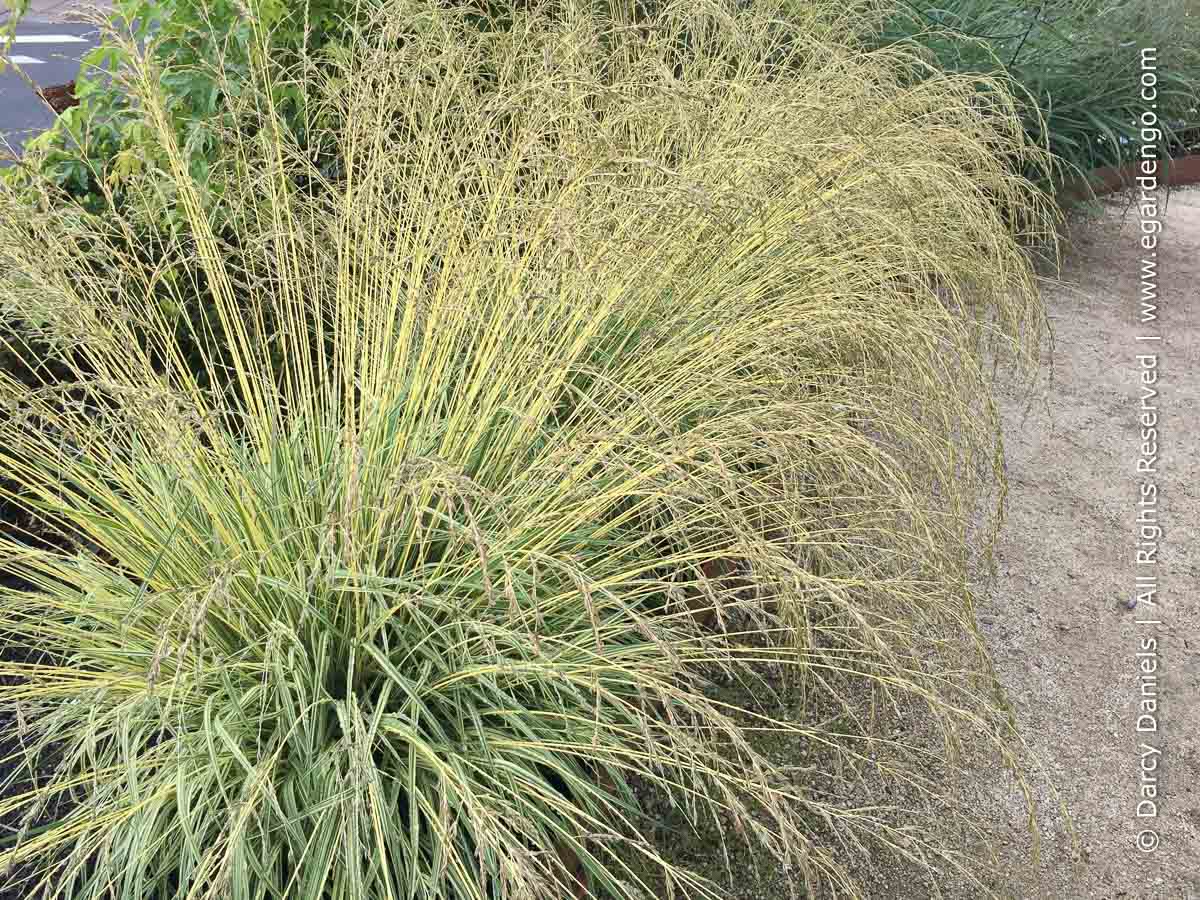
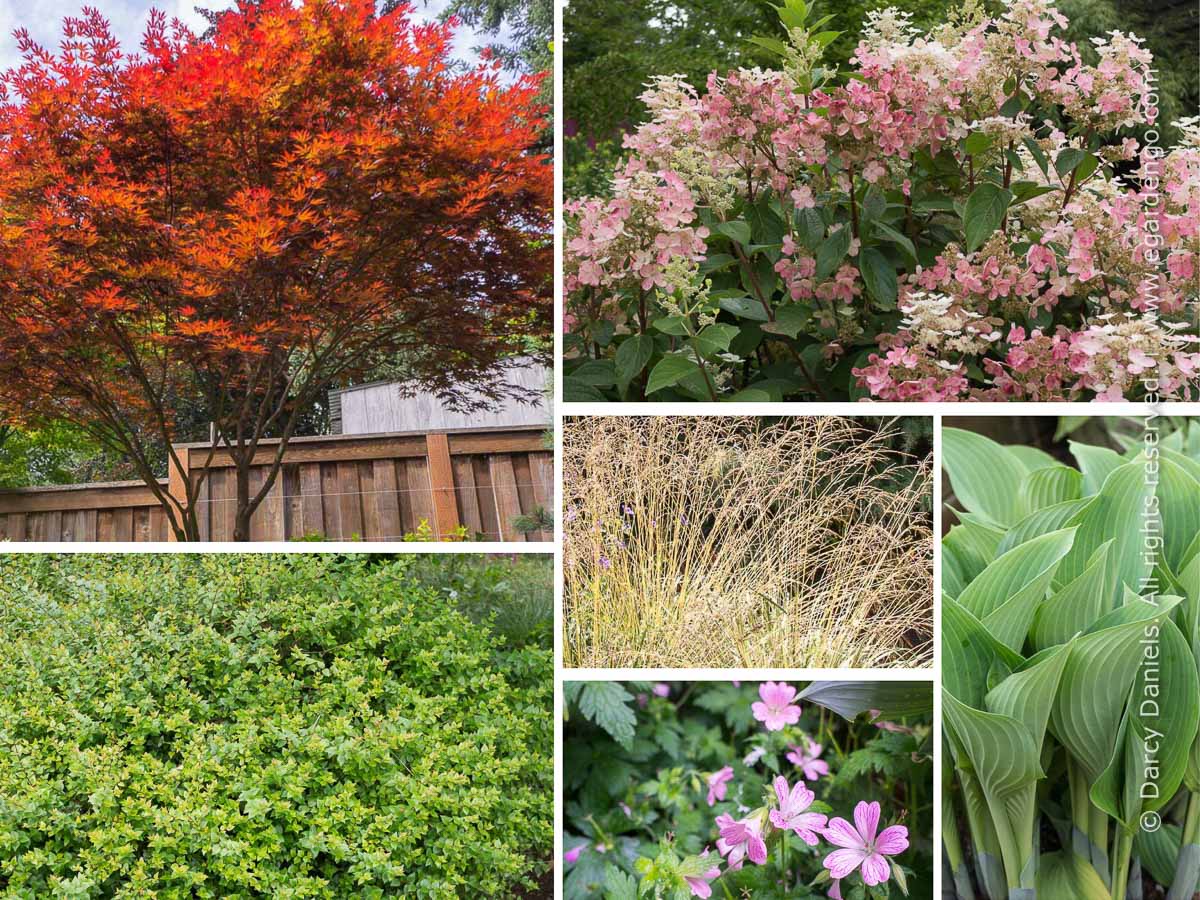
Foliage carries this planting from spring to fall, and Quick Fire hydrangea is the backbone of the flower show. Acer palmatum 'Fireglow' sets the tone. It's a slow-growing, upright Japanese maple with deep red leaves that hold their color through summer and intensify to fiery red again in fall. Below it, the broad, corrugated blue leaves of Hosta sieboldiana var. elegans make a heavy, bold contrast, and clumps of Molinia caerulea ssp. caerulea 'Variegata', variegated purple moor grass, add fine, cream-striped blades that move with the breeze.

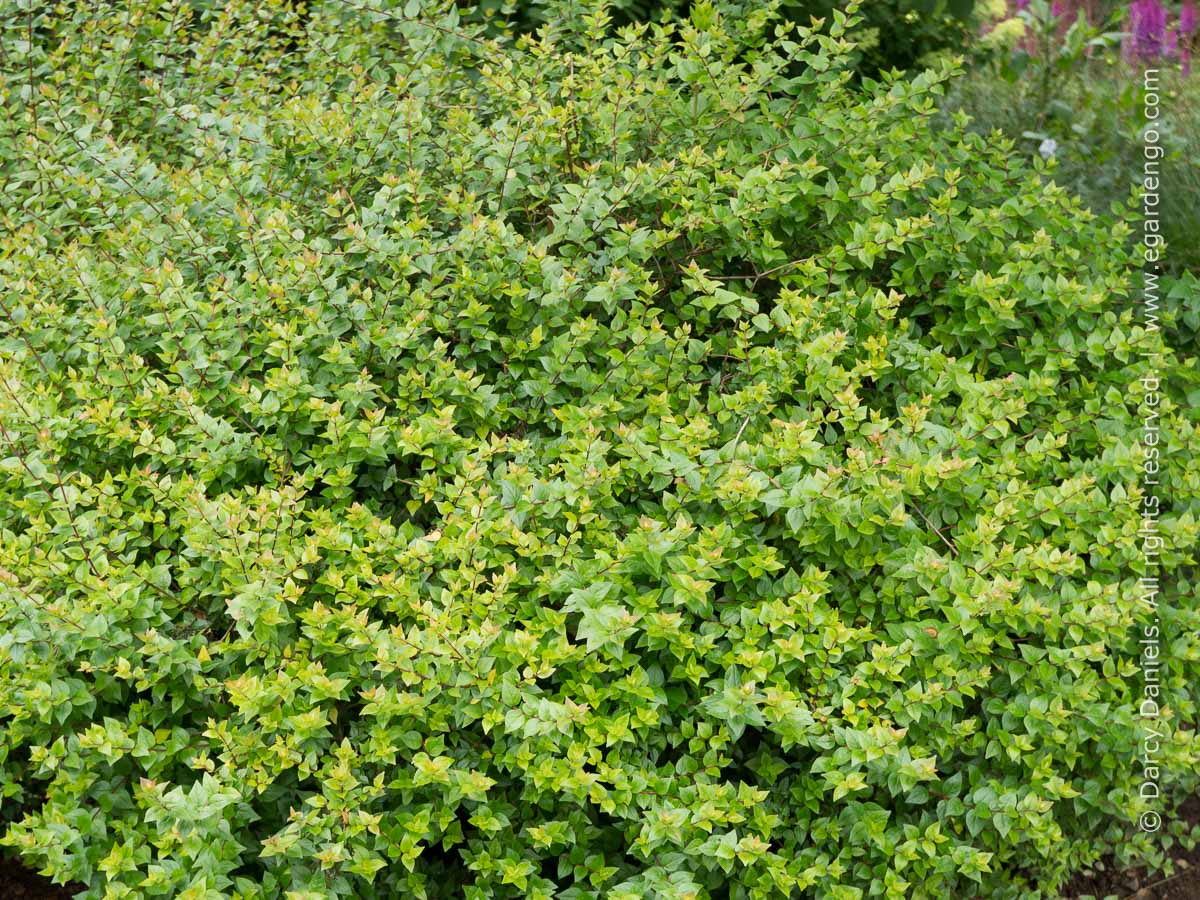
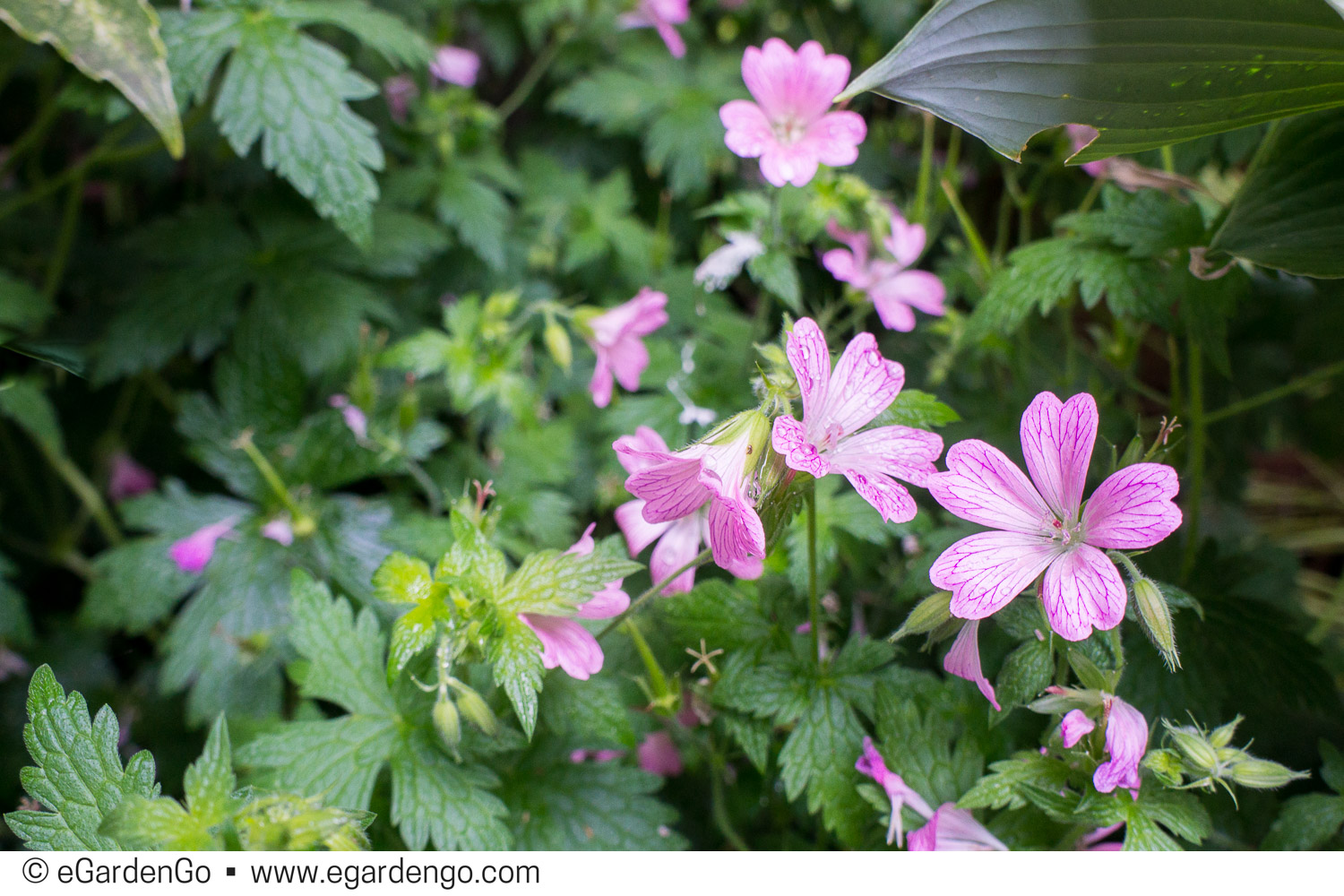
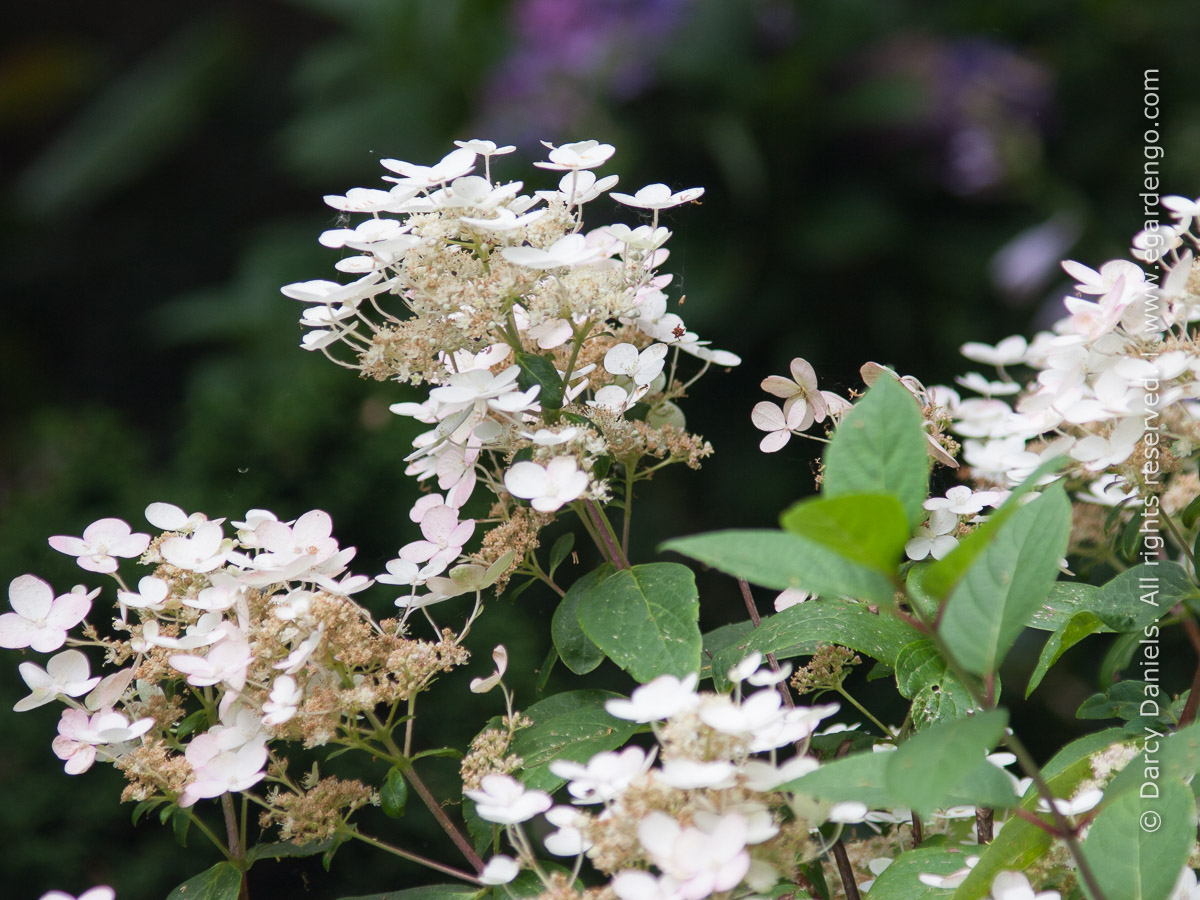
Quick Fire hydrangea blooms early for a panicle hydrangea, with flowers that open cream and age to pink through summer, followed by fall color and dried flower heads that hold on after the leaves drop. Geranium endressii 'Wargrave Pink' adds soft pink flowers along the front from spring into summer. 'Wargrave Pink' is an older variety and can be hard to find in some regions now. Another hardy geranium with similar pink tones and growth habit will give the same effect. Abelia grandiflora 'Rose Creek' is a compact evergreen that adds year-round structure. Its small white flowers late in the season are subtle, and afterward each flower's calyx stays on and turns red.

The combination suits full sun to part sun. Full sun takes more water and more care in how you arrange the planting. The scheme assumes rich, well-draining soil and adequate moisture, and in those conditions all of these plants do well. In part sun, most of them do just fine. Quick Fire handles full sun, but where summer afternoons run hot, some shade late in the day keeps its leaves and flowers from scorching. Give the moor grass plenty of sun and even moisture. The hosta can take some sun in good, moisture-retentive soil, but morning sun or filtered light is best. Avoid hot afternoon sun, dry conditions, and fast-draining soil. Place it where the other plants will shade it, such as under the maple.

Maintenance is light. The hydrangea gets a spring pruning, and the abelia can be sheared to control its size. Shear the geranium hard after its first flush to tidy it, which can bring a second round of bloom. The moor grass looks good for three or more seasons, well into winter. Cut it back when it falls over or stops looking good. Over time, divide the hosta and the geranium to rejuvenate them.

A planting plan for this combination is available to purchase and download. It includes four layouts:
— A rectangular bed, 10 by 16 feet, designed to be viewed from one side.
— A rectangular bed, 10 by 40 feet, that looks good from all sides. It's a good candidate for a parking strip. The hostas are a little more exposed in this layout.
— An L-shaped bed designed to be viewed from inside the curve. It's the perfect shape for tucking into a corner.
— An island bed, about 12 by 20 feet, that looks good from all sides, so it can sit in the middle of open space with paths or other circulation all around it.
Buy and download the planting plan.


Growing Conditions

Zone: 6, 7, 8, 9
Exposure: Full Sun, Part Sun, Morning Sun, Filtered Sun
Water Needs: Average, Regular / Even

Design Considerations

Style: Northwest Eclectic, City and Courtyard
Features: Fabulous Foliage, Low Maintenance, Varied Foliage, Texture, and Form
Focus: Curb Appeal, Mixed Border, Pleasing Seasonal Flow, Efficient Use of Space, Small Space, Privacy and Screening
Seasons of Interest: Fall, Pleasing Seasonal Changes, Spring, Summer, Three Seasons of Interest

Care and Maintenance


Maintenance Level: low
Maintenance Tasks: Divide Plants to Rejuvenate, Cut Back to Rejuvenate
Plants In this Combo